
The Timeless Charm of Children's Literature: My Favorite Book
Introduction
Children’s literature has a quiet way of staying with us long after childhood ends. The stories we read when we are young often shape how we understand emotions, imagination, and the world around us. They become companions—offering comfort, curiosity, and sometimes answers when words are hard to find.
As I reflect on my favorite children’s book, I’m reminded of how deeply these stories can influence both children and adults. This post is a small reflection on one book that continues to hold meaning for me and why its charm feels timeless.
Choosing My Favorite
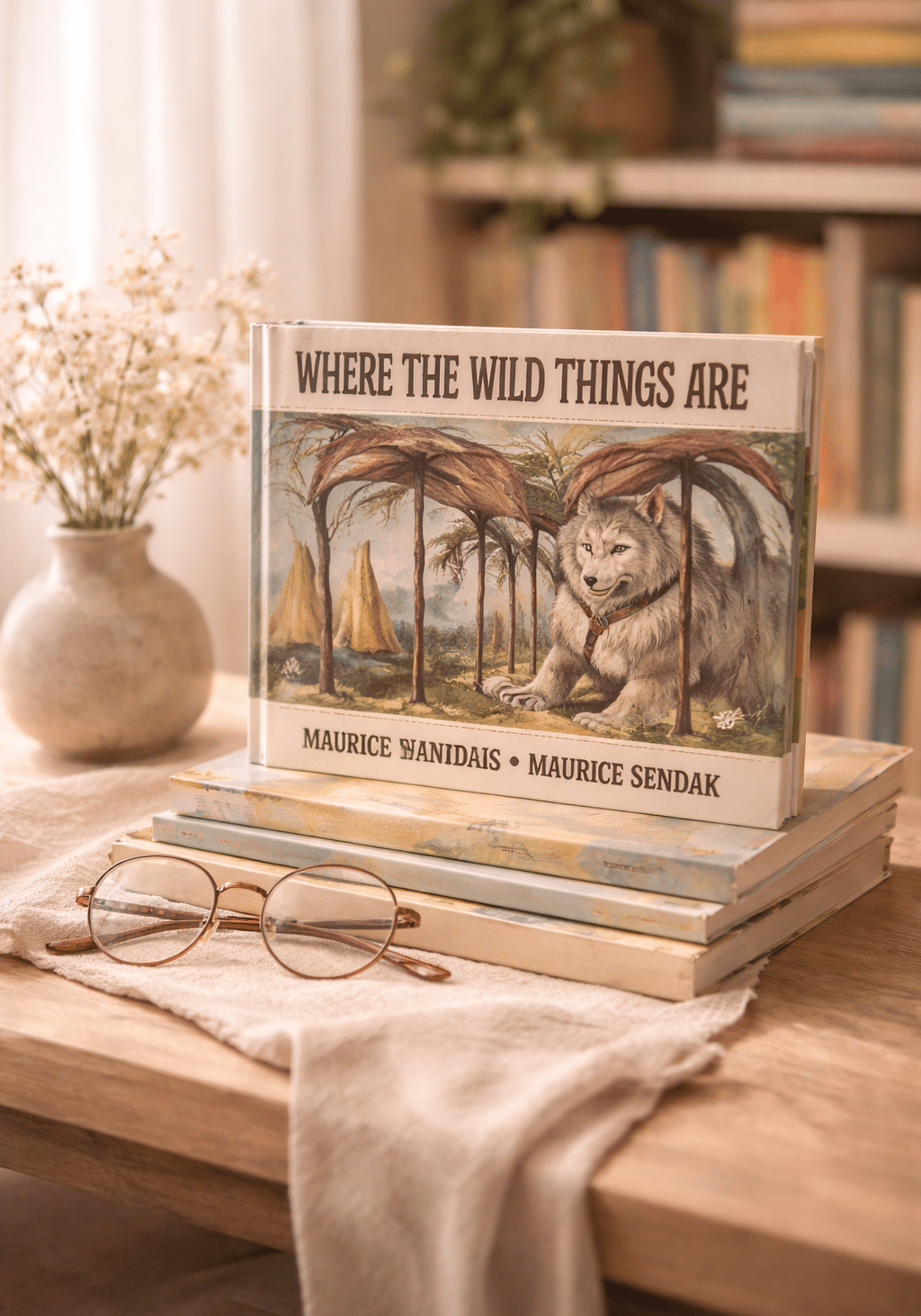
Choosing a favorite children’s book is no easy task, but one story has always stood out to me: Where the Wild Things Are by Maurice Sendak.
As a child, I was drawn to the bold illustrations and the sense of adventure that unfolded on each page. The story of Max—his wild imagination, his emotions, and his journey—felt both exciting and familiar. There was something comforting about a story that allowed a child to feel angry, curious, and brave all at once.
Even now, returning to this book feels like revisiting a piece of childhood that understood emotions without needing to explain them.
The Impact of the Story
What makes Where the Wild Things Are so powerful is its ability to explore big feelings in a way that feels safe and accessible. Max’s journey into the land of the Wild Things mirrors the emotional landscape many children experience—moments of frustration, imagination running free, and the eventual desire for comfort and belonging.
The story gently reminds readers that emotions, even difficult ones, are a natural part of growing. It also offers reassurance: after the adventure, there is always a place of warmth to return to. This balance of freedom and security is what allows the story to resonate across generations.
Conclusion
At its heart, my love for this book comes from its honesty and simplicity. It doesn’t rush to teach a lesson or explain every emotion. Instead, it trusts the reader—child or adult—to feel the story in their own way.
Stories like Where the Wild Things Are remind us why children’s literature matters. They invite imagination, validate emotions, and quietly stay with us as we grow. Long after childhood, these stories continue to inspire reflection, empathy, and wonder—making them truly timeless.